How Skin Changes from Pregnancy to Lactation: A Dermatologist’s Guide to Safe and Effective Skin Care
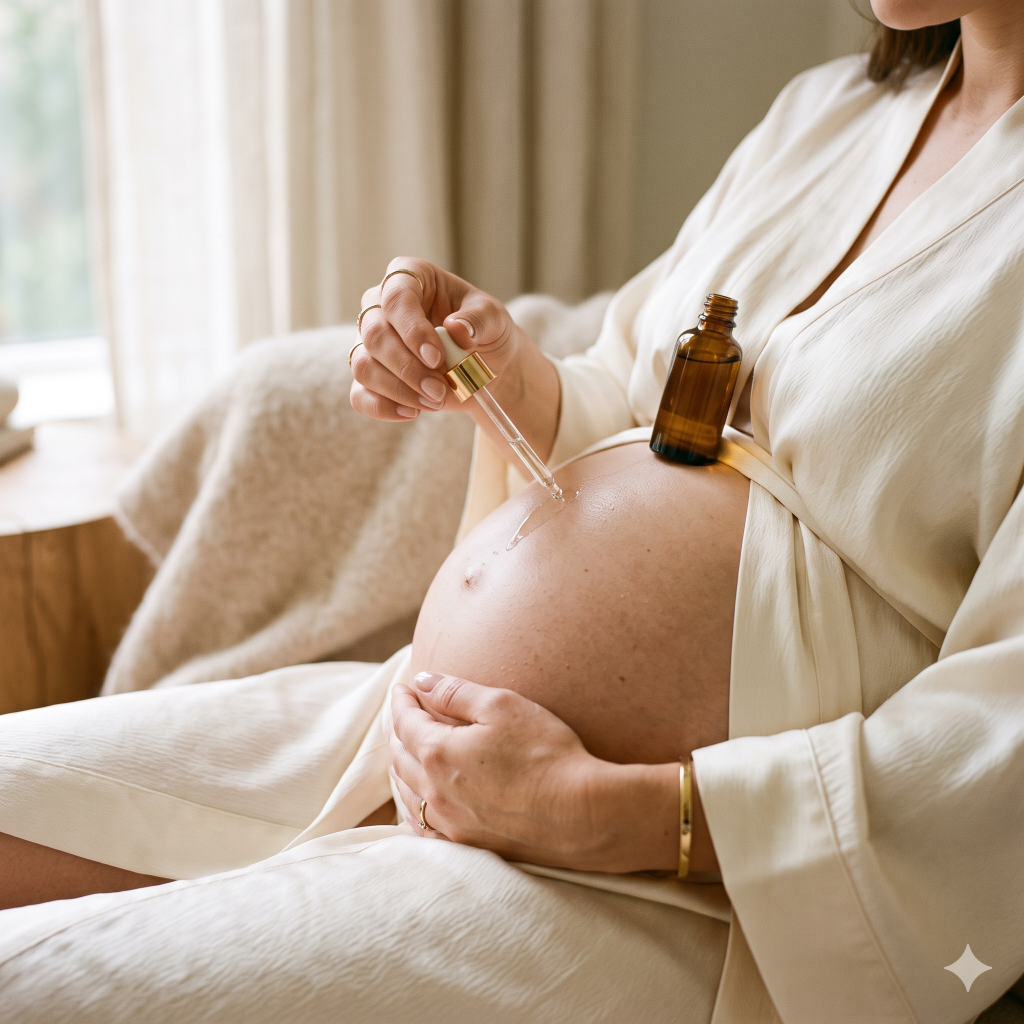
The journey through pregnancy and breastfeeding is one of the most beautiful and memorable chapters in a mother’s life. However, it is also a period of profound physiological transition. A woman’s body undergoes immense shifts—most notably within the skin—driven by the rapid surges and sharp declines of hormonal levels.
Many mothers find themselves anxious, questioning whether their current skincare regimens are safe for their newborns, or conversely, choosing to neglect their skin entirely out of fear of potential risks. As a dermatologist—and a dedicated partner in your maternal wellness—I have synthesized medically verified, peer-reviewed clinical data into an accessible guide. This comprehensive manual is designed to help you navigate maternal skincare correctly, ensuring the highest standards of safety for both you and your baby.
🤰 The Science Behind Maternal Skin: How Hormonal Shifts Alter the Skin Barrier
Clinical dermatology recognizes that during gestation, the female body secretes unprecedentedly high volumes of Estrogen, Progesterone, and Melanocyte-Stimulating Hormone (MSH). These systemic hormones directly affect cutaneous architecture, vascular networks, and melanocytes (pigment-producing cells). Consequently, a vast majority of expectant mothers experience distressing cutaneous concerns—ranging from deep-seated melasma and hyperpigmentation to stretch marks and accelerated aging—some of which persist well into the lactation phase.
🤰 Distinct Cutaneous Changes During Pregnancy
During gestation, the body experiences a “hormonal storm” that manifests primarily in four distinct dermatological patterns:
1. Melasma & Hyperpigmentation
Elevated systemic estrogen and MSH sharply stimulate melanocytes, accelerating melanin synthesis. Mothers commonly present with deep-seated, hormonally-driven chloasma (pregnancy mask) across the malar crescent, zygomatic arches, and forehead. This also triggers the darkening of the Linea Nigra (the vertical abdominal line) and pronounced hyperpigmentation in friction-prone flexural areas (axillae and groin).
📊 Management of Melasma and Cutaneous Hyperpigmentation in Maternal Care
| Category | ❌ Strictly Contraindicated (High-Risk / Avoid Completely) | Safe & Recommended Alternatives (Pregnancy-Safe) |
| Topical / Anti-Melasma Creams (Tyrosinase Inhibitors & Exfoliants) | • Hydroquinone: ⚠️ High Risk: Exhibits an exceptionally high systemic absorption rate (35%–45%), posing significant fetal developmental risks. • Arbutin / Alpha-Arbutin: ⚠️ A hydroquinone derivative. Clinical dermatology recommends absolute avoidance during pregnancy and lactation as a preventative safety measure. • High-Potency Corticosteroids: ⚠️ Frequently found in unregulated, non-prescription whitening creams. Prolonged use risks systemic absorption into the bloodstream, potentially impairing fetal growth and inducing topical steroid-damaged skin. | • Azelaic Acid: Safely and selectively targets hyperactive melanocytes by inhibiting tyrosinase. Highly recommended for maternal care, and effectively addresses post-inflammatory hyperpigmentation (PIH) from acne. • Vitamin C (Ascorbic Acid): A potent antioxidant that diminishes melanin synthesis, safely brightening the complexion without systemic toxicity. • Niacinamide (Vitamin B3): Blocks melanosome transfer to keratinocytes while concurrently reinforcing the epidermal lipid barrier. • Topical Tranexamic Acid: In low-concentration topical formulations, systemic absorption is negligible, making it an approved and safe choice for treating melasma. |
| Systemic / Oral Medications (Ingestible) | • Oral Tranexamic Acid / Traditional “Whitening” Tonics: ⚠️ Strictly Contraindicated: Systemic administration elevates the risk of thromboembolic events, compromising the uteroplacental and maternal-fetal circulatory systems. | • Physician-Prescribed Prenatal Vitamins: Includes tailored doses of Vitamin C and essential prenatal complexes to fortify cellular antioxidant defense safely from within. |
💡 A Dermatologist’s Three Golden Rules for Managing Gestational Melasma:
- Sunscreen is Your Most Powerful Anti-Melasma Therapy: No matter how advanced your skincare routine is, failure to shield against ultraviolet radiation will cause immediate pigment darkening. I advise applying a generous layer (the two-finger rule) of a Physical Sunscreen containing Zinc Oxide and/or Titanium Dioxide every morning. These compounds act as a physical shield, reflecting UV rays away from the skin without systemic absorption, guaranteeing 100% safety for your child.
- Strictly Avoid Unregulated “Anti-Melasma Bundles” or Internet-Famous Whitening Creams: These illegal formulations routinely conceal hazardous levels of mercury, high-potency steroids, or concentrated hydroquinone, all of which pose severe, catastrophic threats to fetal development.
- Prioritize Gestational Prevention and Postpartum Restoration: Accept that melasma may darken naturally due to gestational hormones; do not let this cause unneeded stress, as stress spikes cortisol, which further destabilizes the skin. Maintain a preventative baseline with safe sunscreens and moisturizers. Once you undergo delivery and conclude the lactation cycle, we can implement medical interventions at our clinic, such as energy-based skin lifting, mesotherapy, or advanced pigmentary lasers.
2. Pregnancy Acne
Surging progesterone levels stimulate sebaceous glands, leading to sebum overproduction. Combined with follicular hyperkeratosis (clogged pores), mothers who previously enjoyed clear complexions often face sudden flare-ups of inflammatory and comedonal acne, typically peaking in the first and second trimesters.
📊 Management of Gestational Acne
| Category | ❌ Strictly Contraindicated (High-Risk / Avoid Completely) | Safe & Recommended Alternatives (Pregnancy-Safe) |
| Topical Retinoids (Comedolytic) | • Tretinoin (e.g., Retin-A) • Adapalene (e.g., Differin) • Tazarotene ⚠️ High Risk: Linked to Retinoid Embryopathy (severe fetal congenital malformations). | • Azelaic Acid (e.g., Skinoren): Highly effective at dissolving comedones, reducing follicular inflammation, and treating post-acne erythema and melasma. • Bakuchiol: A botanical extract that mimics retinoid pathways to encourage cellular turnover without the associated teratogenic risks. |
| Topical Antimicrobials & Keratolytics | • High-Dose Salicylic Acid (BHA): ⚠️ Avoid leave-on topical exfoliants or peels with a BHA concentration greater than 2%. High doses present systemic risks to fetal homeostasis. | • Benzoyl Peroxide (BPO): (e.g., Benzac): Safely addresses inflammatory acne lesions and resolves comedonic impactions. A low concentration (2.5%–5%) is clinically advised. • Topical Clindamycin / Erythromycin: Safe, localized prescription-grade topical antibiotics to resolve pustular acne segments. • Low-Dose BHA (≤ 2%): Rinse-off formulations (e.g., daily cleansers) are safe for maternal use under professional guidance. |
| Systemic / Oral Acne Medications (Ingestible) | • Isotretinoin (e.g., Roaccutane, Acnotin) ⚠️ Extreme Counter-indication: Carries a 100% risk of severe congenital birth defects. • Doxycycline / Tetracycline ⚠️ Induces maternal-fetal osseous toxicity, causing permanent brown discolored dentition in the child. | • Oral Erythromycin / Amoxicillin: ⚠️ Approved systemic antibiotics reserved for severe, recalcitrant inflammatory acne. These must be administered exclusively under the synchronized supervision of a dermatologist and an obstetrician; self-medication is strictly prohibited. |
💡 Dermatological Advice for Managing Gestational Acne:
- Commit to Ultra-Gentle Cleansing: Opt for a fragrance-free, paraben-free mild cleanser to eliminate excess lipid buildup without inducing mechanical or chemical irritation.
- Avoid Over-Drying the Skin: Mothers often combat acne by over-stripping their skin barrier with harsh, astringent washes. This paradoxical dehydration forces sebaceous units to hyper-secrete sebum, exacerbating acne breakouts. Use non-comedogenic, oil-free moisturizers to maintain lipid equilibrium safely.
- Always Consult a Board-Certified Specialist: When gestational acne damages your self-confidence, avoid manual extractions at home or unverified online acne remedies. At SUPA-KUNN CLINIC, we offer specialized, pregnancy-safe acne care pathways designed to optimize your skin health while fully protecting your baby. 🤍
3. Stretch Marks (Striae Gravidarum)
Rapid abdominal and mammary expansion stretches the dermis beyond its tensile capacity, tearing the underlying collagen and elastin fibers. These present initially as erythematous or violaceous linear bands (Striae Rubrae) before transitioning into permanent, atrophic, hypo-pigmented cicatrices (Striae Albae).
4. Dryness & Pruritus
The maternal circulatory system diverts substantial hydration toward the fetus and placenta while expanding maternal blood volume. This leaves the mother’s outer epidermal layers prone to trans-epidermal water loss (TEWL). Skin presents as xerotic, flaking, and accompanied by intense pruritus (itching), particularly across the distending abdominal wall.
📑 Clinical FAQs: Skincare & Aesthetic Interventions During Maternal Phases
Q1: Can pregnant individuals undergo HIFU, Ultherapy, or energy-based laser treatments?
Dermatologist’s Answer: Certain non-invasive energy-based devices are medically permissible, but specific clinical parameters apply:
- Micro-focused Ultrasound and Radiofrequency (Ultherapy Prime, Thermage, Oligio, Xerf): These premium technologies deliver localized thermal energy strictly within the cutaneous layers (epidermis, dermis, and SMAS). The acoustic or electromagnetic fields do not penetrate the uterine environment and pose zero risk to the fetus. However, due to gestational hormonal fluctuations causing hyper-sensitized pain receptors, I strongly recommend scheduling these lifting procedures during the postpartum or lactation period for optimal comfort.
- Lasers (Ablative/Non-Ablative Pigmentary & Acne Lasers): Permissible; however, maternal skin is highly photosensitive and prone to post-inflammatory hyperpigmentation (PIH). Strict post-procedure UV protection is mandatory.
- ⚠️ The Medical Golden Rule: If an aesthetic procedure must be performed during pregnancy or lactation, topical anesthetic creams must be omitted completely, as lidocaine can be absorbed into the systemic circulation. At our practice, we utilize advanced Super-Cooling Techniques to manage patient comfort safely under strict medical vigilance.
Q2: What criteria defines a 100% safe prenatal sunscreen?
Dermatologist’s Answer: Select a strictly Physical Sunscreen (commonly marketed as Mineral or Non-Chemical sunscreen).
- Ingredient Identification: Inspect the active ingredient list for Zinc Oxide and/or Titanium Dioxide.
- Mechanism of Safety: Unlike chemical filters (such as Oxybenzone or Avobenzone) which absorb UV light and can undergo systemic absorption, physical filters form an inert, microscopic mirror on the stratum corneum. They reflect and scatter the full spectrum of UV radiation away from the body without entering the bloodstream, ensuring maximum safety for the fetus and eliminating the risk of chemical dermatitis on sensitive maternal skin.
Q3: Is it safe to undergo professional extractions or use hydrocolloid acne patches during pregnancy?
Dermatologist’s Answer: Yes, both interventions are completely safe when performed correctly:
- Professional Extractions: Comedone extractions performed within a sterile, medically accredited clinical setting are highly encouraged to prevent comedones from evolving into inflammatory cysts. (Note: Systemic or intralesional steroid injections for acne must be avoided).
- Acne Patches: Hydrocolloid patches are safe; they act via localized exudate absorption to drain the lesion mechanically and do not contain hazardous systemic retinoids.
Q4: Can I receive Neuromodulators (Botox), Dermal Fillers, or Mesotherapy while pregnant or breastfeeding?
Dermatologist’s Answer: From a clinical safety standpoint, elective injectable treatments should be postponed until after childbirth and completion of the lactation cycle.
While there is a lack of definitive clinical data proving direct fetal harm from cosmetic doses of botulinum toxin or hyaluronic acid fillers, these are elective procedures introducing exogenous substances into the tissue. Should an exceptional adverse reaction occur—such as an acute hypersensitivity episode, vascular occlusion, or localized infection—the medical management of the mother is heavily limited due to the pregnancy contraindications of standard corrective medications (antibiotics, steroids, or hyaluronidase). It is medically wiser to wait until it is entirely safe to restore your aesthetics comprehensively.
Q5: Will the sudden hyperpigmentation on my axillae, groin, and neck resolve spontaneously after birth?
Dermatologist’s Answer: Yes, you can be reassured that these changes are largely reversible. The striking hyperpigmentation across flexural folds and the Linea Nigra represents a physiological response to gestational hormones stimulating localized melanogenesis. Following parturition, systemic hormones decline to baseline values, allowing these darkened areas to fade gradually over a period of 3 to 6 months. Expectant mothers must avoid using aggressive whitening creams or abrasive body scrubs on these zones, as friction on hyper-sensitized skin will cause post-inflammatory hyperpigmentation, locking the pigment deeper. Focus instead on utilizing gentle, barrier-repairing moisturizers.
Q6: Are Alpha-Hydroxy Acids (AHA) and Beta-Hydroxy Acids (BHA) safe? What are the safe concentration thresholds?
Dermatologist’s Answer: Yes, they can be integrated into your routine, provided you regulate their concentrations:
- AHAs (Glycolic Acid, Lactic Acid): Highly effective and safe for treating superficial hyperpigmentation and accelerating epidermal desquamation. Keep concentrations within a mild 8%–10% threshold.
- BHAs (Salicylic Acid): BHA features high lipid solubility, allowing deep follicular penetration. Clinical guidelines recommend keeping leave-on concentrations strictly at or below 2%, ideally restricted to rinse-off cleansers. High-concentration leave-on BHA or chemical peels should be omitted entirely, particularly during the vulnerable first trimester.
Q7: How do I correctly apply stretch mark treatments to prevent dermal tearing?
Dermatologist’s Answer: Preventive therapy must begin the exact day pregnancy is confirmed, and the sequencing of your products must follow correct chemical principles. Waiting until the abdomen significantly expands or begins to itch means the deep dermal collagen fibers have already ruptured. Early application builds dermal elasticity ahead of physical expansion.
- The Flawless Abdomen Technique: Immediately following a bath or shower while your skin is damp (maximizing absorption), apply your targeted Restorative Cream (rich in Centella Asiatica or Shea Butter) using gentle, upward circular massages to stimulate microcirculation. Immediately seal this layer by smoothing a premium Body Oil over the top. The oil forms a vital occlusive barrier, locking the cream’s active ingredients and water into the epidermis, preventing evaporation. Continue this regimen for 3 to 6 months postpartum to support the skin as it rapidly contracts.
🤱 Postpartum Cutaneous Rehabilitation: A Guide for Lactating Mothers
Welcoming your newborn after nine months of gestation is a deeply rewarding experience. However, many mothers are suddenly confronted by an unexpected postpartum cutaneous crash. The immediate drop in gestational hormones, coupled with sleep deprivation from a round-the-clock nursing or pumping schedule, accelerates collagen degradation and compromises the epidermal barrier, causing the skin to appear dull, dehydrated, and exhausted.
The 5 Most Prevalent Postpartum Cutaneous Concerns & Clinical Interventions
1. Resurgent Hormonal Melasma & Deep Pigmentary Accumulation
Mothers often notice that mild gestational melasma darkens significantly postpartum. This occurs as pigments created during pregnancy rise to the superficial layers of the epidermis, becoming fully visible.
- Clinical Etiology: High MSH levels during pregnancy trigger hyperactive melanogenesis. Post-delivery, though hormones drop, the existing deep-seated pigment columns remain embedded within the skin layers.
- Targeted Prevention: Implement rigorous UV protection. Postpartum skin remains vulnerable to light-induced melanocyte activation. Apply a non-nano Physical Sunscreen daily; its inert nature ensures zero systemic transfer into breast milk.
- Dermatological Treatment: Utilize specialized formulations featuring High-Concentration Vitamin C, Azelaic Acid, and Niacinamide (Vitamin B3) to down-regulate pigment production pathways safely.
- Strict Prohibitions: All topical products containing Hydroquinone or Alpha-Arbutin remain strictly contraindicated during lactation due to their high systemic absorption rates.
2. Postpartum Rhytids, Dermal Atrophy, and the “Sleep-Deprived Exhausted Face”
- Clinical Etiology: The abrupt loss of estrogen—which previously maintained dermal volume and hydration—causes sudden skin laxity and dehydration. Coupled with sleep fragmentation from neonatal care, the skin’s nocturnal repair cycle is disrupted, leading to accelerated water loss, collagen depletion, and fine lines.
- Targeted Prevention: Restore epidermal lipid balance immediately post-showering using rich emollients containing Hyaluronic Acid complexes and multi-layered Ceramides to halt trans-epidermal water loss.
- Advanced Skincare Intervention: Integrate Bakuchiol into your routine. This plant-derived phyto-retinoid stimulates Collagen Type I, III, and IV synthesis to smooth out fine lines, delivering the corrective power of traditional retinol without its teratogenic risks, making it fully safe for breastfeeding mothers.
- The Clinical Gold Standard (Energy-Based Non-Invasive Lifting): When topical skincare cannot fully restore lost dermal volume, lactating mothers can safely undergo our S+ Signature Lifting Program. This customized protocol combines world-class energy-based systems—including Ultherapy Prime, Thermage, Oligio, Xerf, or Morpheus8—to deliver precise acoustic or radiofrequency thermal energy into the deep SMAS layer. This triggers immediate collagen contraction and long-term neocollagenesis, reshaping, plumping, and lifting an exhausted complexion safely without down-time.
- ⚠️ Clinical Precaution: These energy-based procedures are entirely safe during lactation as they emit pure acoustic or electromagnetic energy with no systemic chemical footprint. However, topical anesthetics must be omitted to keep breast milk completely free of chemical contaminants; our clinicians replace numbing creams with an advanced, continuous Super-Cooling Technique to provide a comfortable treatment experience.
3. Postpartum Striae (Skin Crashing via Rapid Abdominal Deflation)
Mothers frequently misassume that stretch marks only occur during abdominal expansion. In reality, the rapid physical deflation of the abdominal wall post-delivery subjects the skin to sudden mechanical stress, which can trigger acute dermal tearing and inflammatory stretch marks.
- Targeted Prevention: Do not stop your body care routine after delivery. Continue applying targeted abdominal treatments for at least 3 to 6 months postpartum until your tissue returns to its pre-pregnancy volume.
- Dermatological Treatment & Application Sequencing: Select specialized body creams formulated with clinical-grade Centella Asiatica, which is proven to stimulate fibronectins and repair broken elastic fiber networks, paired with Shea Butter. Always apply your treatment cream first onto damp skin to deliver deep active hydration, then layer a premium Body Oil directly over it to lock in moisture.
4. Postpartum Acne Vulgaris & Inflammatory Breakouts
Maternal stress, sleep deprivation, and fluctuating postpartum hormones can cause sebaceous gland hyper-activity, leading to sudden acne flare-ups.
- Targeted Prevention: Maintain skin hygiene by washing twice daily with an ultra-mild, soap-free cleanser. Use single-use, sterile facial tissues instead of cloth towels to minimize bacterial colonization.
- Dermatological Treatment: Safely manage lesions using low-dose Benzoyl Peroxide (2.5%) as a brief pre-wash therapy, target active pustules with topical Clindamycin, and apply Azelaic Acid to clear plugged pores and treat post-acne dark marks concurrently.
- Strict Prohibitions: Oral retinoids (Isotretinoin), topical retinoids (Retin-A, Differin), and systemic tetracyclines (Doxycycline) are strictly contraindicated during lactation due to serious risks of infant toxicity via breast milk.
5. Flexural Hyperpigmentation: Darkened Axillae, Groin, and Areolae
- Clinical Etiology: High gestational estrogen and progesterone stimulate a localized increase in melanin across naturally dark, friction-sensitive zones.
- Targeted Prevention: Minimize mechanical friction. Wear loose-fitting, soft apparel made from natural fibers, and avoid tight undergarments. Avoid all forms of aggressive physical scrubs or bleaching agents, which irritate the skin and induce deeper hyperpigmentation. Focus on applying soothing, fragrance-free moisturizers to protect the area.
- Advanced Clinical Intervention: While these hyperpigmented zones can lighten naturally over time, the clearance rate is often slow, leaving many mothers searching for a reliable solution. At SUPA-KUNN CLINIC, we address this concern with our medical Deluxe Laser Program. This advanced protocol uses globally accredited, US-FDA approved laser technologies specifically calibrated for sensitive skin areas.
- The Deluxe Laser Program features a highly Personalized Treatment Pathway. Our dermatologists carefully assess your skin profile and the depth of the pigment to select the optimal wavelength and pulse duration. The laser precisely targets and shatters accumulated melanin clusters into microscopic particles that your body naturally clears away, all without disrupting the delicate epidermis or causing downtime. This approach safely restores a uniform, radiant skin tone to the axillae, groin, and delicate areas, providing peace of mind during your postpartum recovery.
A Concluding Note from the Dermatologist
Maternal skin care requires a careful balance of medical safety and clinically effective ingredients. While your body goes through significant changes during pregnancy and postpartum, these skin concerns can be safely managed. Managing your skin with correct, scientifically validated methods under professional dermatological guidance allows you to maintain a radiant, healthy complexion while keeping your baby completely safe.
At SUPA-KUNN CLINIC, we treat every mother with professional clinical standards, honest medical advice, and a welcoming care environment. Your days are understandably dedicated to nurturing your little one, but taking a small moment to care for your own skin health can significantly restore your confidence and well-being. Should you require a detailed cutaneous assessment or a customized, pregnancy-and-lactation-safe skincare routine, our medical team is always here to support you. 🤍
📚 Medical References (Clinical Dermatology)
- Bozzo P, et al. Safety of skin care products during pregnancy. Canadian Family Physician. 2011;57(6):665-667.
- Dhaliwal S, et al. Prospective, randomized, double-blind assessment of topical bakuchiol in the challenge of skin photoageing. British Journal of Dermatology. 2019;180(2):289-296.
- Trivedi MK, et al. A Review of Laser and Light Therapy in Melasma. International Journal of Women’s Dermatology. 2017;3(1):11-20.
👩🏻⚕️ที่สุภากาญจน์คลินิก...เราใส่ใจ ให้คุณมากกว่าได้มากกว่าที่ไหน 👩🏻⚕️ 1 ใน 10 ที่ได้รับเลือกเป็นคลินิกสวย มั่นใจ ปลอดภัย คลินิกคุณภาพ จากสำนักข่าวชั้นนำ #ได้ดูแลผิวอย่างมั่นใจ ✅ดูแลคุณโดยคุณหมอที่เชี่ยวชาญ จบด้านผิวหนังโดยตรง ✅ดูแลคุณด้วยทีมที่มีประสบการณ์หลายสิบปี ✅ดูแลคุณ ภายใต้มาตรฐาน ความสะอาด ปลอดภัย สูงสุด #ได้ดูแลผิวอย่างสบายใจ ✅ดูแลคุณ ตรงจุด ตรงโจทย์ปัญหาผิว ✅ดูแลคุณ ด้วยตัวยาแท้ เครื่องมาตรฐานสูงสุด US FDA มั่นใจในความเปลี่ยนแปลง เห็นผล ✅ไม่มีเซลล์หน้าร้าน และ ไม่มีการขายคอร์ส ✅ให้คุณมั่นใจว่า คุณหมอแนะนำการรักษาที่เหมาะสมกับคุณจริงๆ 🎀 **** สนใจสอบถาม นัดคิว ได้ที่ **** https://linktr.ee/SupakunnClinic สุภากาญจน์ คลินิก ลาซาล-แบริ่ง โทร : 0851565136 Line : @SupakunnClinic Instagram : Supakunn.clinic Tiktok : Supakunn.clinic
 📍 Lasalle's Avenue | 085-156-5136
📍 Privé Sukhumvit 105 | 099-415-6398
📍 Prime Namdang–Bangplee | 085-884-9426
📍 Lasalle's Avenue | 085-156-5136
📍 Privé Sukhumvit 105 | 099-415-6398
📍 Prime Namdang–Bangplee | 085-884-9426Copyright © SUPA-KUNN CLINIC. All rights reserved. Unauthorized use and/or duplication of this material without express and written permission from this site’s author and/or owner is strictly prohibited. Excerpts and links may be used, provided that full and clear credit is given to SUPA-KUNN CLINIC with appropriate and specific direction to the original content.
Share: